
GPS: 33 deg 57 min 43.79 sec S, 25 deg 36 min 31.83 sec E
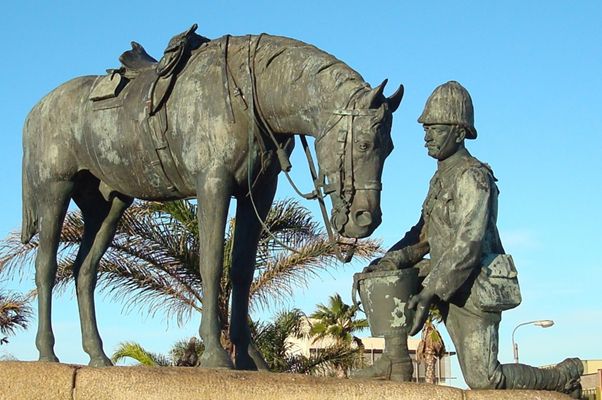
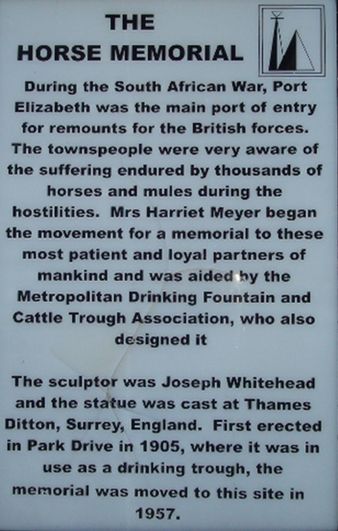
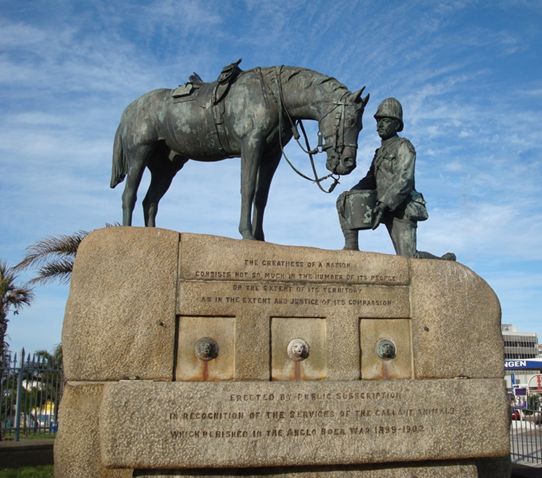
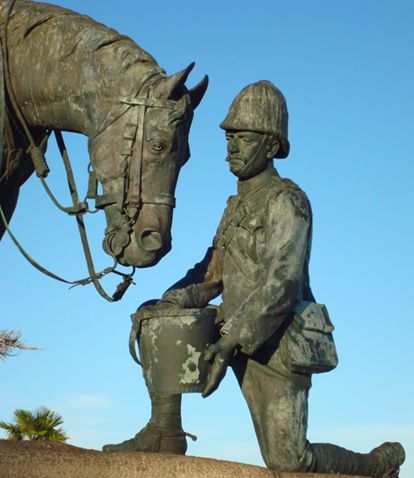
The Mayor unveiled the Monument on the corner of Park Drive and Rink Street in 1905.
It was moved to its present location in 1957 and declared a National Monument in 1983.
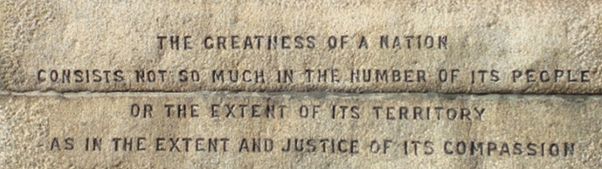
THE GREATNESS OF A NATION
CONSISTS NOT SO MUCH IN THE NUMBER OF ITS PEOPLE
OR THE EXTENT OF ITS TERRITORY
AS IN THE EXTENT AND JUSTICE OF ITS COMPASSION
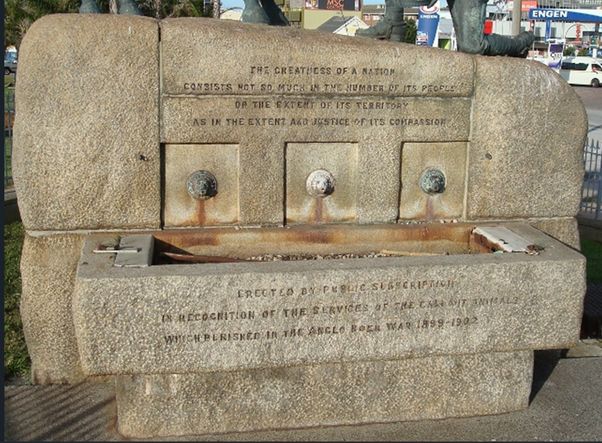
ERECTED BY PUBLIC SUBSCRIPTION
IN RECOGNITION OF THE GALLANT ANIMALS
WHICH PERISHED IN THE ANGLO-BOER WAR 1899-1902
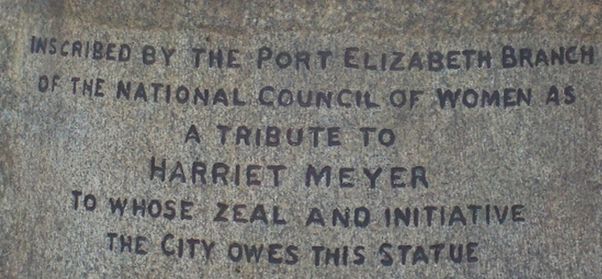
INSCRIBED BY THE PORT ELIZABETH BRANCH
OF THE NATIONAL COUNCIL OF WOMEN AS
A TRIBUTE TO
HARRIET MEYER
TO WHOSE ZEAL AND INITIATIVE
THE CITY OWES THIS STATUE
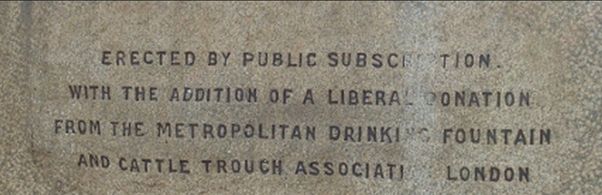
ERECTED BY PUBLIC SUBSCRIPTION
WITH THE ADDITION OF A LIBERAL DONATION
FROM THE METROPOLITAN DRINKING FOUNTAIN
AND CATTLE TROUGH ASSOCIATION LONDON
Note
To indicate scale,the British Army purchased approx 520000 horses and approx 151000 donkeys for their campaign.
Further Information
"Horses in the Anglo Boer War (1899-1902)" by Anne Irwin
"Horsing the British Army: Die Tweede Anglo-Boere Oorlog 1899-1902" by Graham Winton
"Animal Suffering and Sacrifices during the Anglo-Boer War - Veterinary Aspects" by Prof Jan Myburgh